
Therapy Device
Putting ultrasound energy to therapeutic use. The ultrasound therapy range covers handheld ultrasound therapy units, ultrasound phonophoresis units and electrolysis therapy equipment — using mechanical, thermal and cavitation effects on soft tissue. These are physical therapy devices widely used in physiotherapy, rehabilitation, pain management and primary care.
Selection guide · how to choose by setting (click to expand)
Clinical departments
Rehabilitation, physiotherapy, pain management, orthopaedics, traditional Chinese medicine, acupuncture, neurosurgery, obstetrics, respiratory medicine, gastroenterology, geriatrics, internal medicine, paediatrics, urology, critical care, general surgery, endocrinology and ENT.
Device types and uses
- Handheld ultrasound therapy unit (U1): handheld design with a rechargeable battery and an ultrasound therapy head, suited to outpatient and bedside use.
- Ultrasound phonophoresis unit (UD30): uses direct current to convert drug molecules into ions that are introduced through the skin and mucosa, combined with ultrasound energy acting on the local tissue.
- Electrolysis therapy equipment (E8): supplied with a dedicated treatment probe and acting on the treatment site through intelligent microcurrent; the applicable scope is that stated in the product registration certificate.
How it works
As ultrasound travels through a medium it produces mechanical, thermal and cavitation effects, and combined with variable-frequency current and targeted drug delivery it acts on soft tissue. The devices offer several output modes with adjustable treatment time, and output stops automatically when the head is not in contact.
- Mechanical effect: loosens soft tissue and improves tissue condition.
- Thermal effect: generates heat within deeper tissue and improves local circulation.
- Cavitation effect: accelerates the diffusion of body fluids.
Where it fits
- Hospital rehabilitation, physiotherapy and pain departments: physical therapy of soft tissue.
- Community health centres and township health centres: routine physiotherapy services.
- Traditional Chinese medicine and rehabilitation clinics: TCM physiotherapy and rehabilitation support.
- Home use: the handheld model can be used at home, following the manual.
Common purchasing questions
Q: How do I choose between the three types of device?
A: By intended use. Choose the U1 where a handheld, easily moved unit is wanted; the UD30 where drug delivery is part of the treatment; electrolysis equipment according to the treatment programme of the department. The applicable scope is that stated in the product registration certificate.
Q: What is the difference between handheld and bench-top units?
A: The handheld unit has a built-in battery and a small footprint, suited to outpatient and bedside use; bench-top units or those with a workstation are more fully equipped and suit a fixed consulting room.
Q: How is treatment time controlled?
A: Treatment time is adjustable and output stops automatically once the set time is reached; operating instructions and contraindications are set out in the product manual.
Q: Are there registration or filing documents?
A: Registration and filing details are those in the documents supplied with the goods and confirmed by our product department.
The information on this page is a technical reference based on product specifications; the applicable scope is that stated in the product registration certificate. Contraindications and precautions are set out in the product manual, and the device must be operated by a licensed physician holding the relevant qualifications. Nothing on this page constitutes a claim of clinical efficacy.
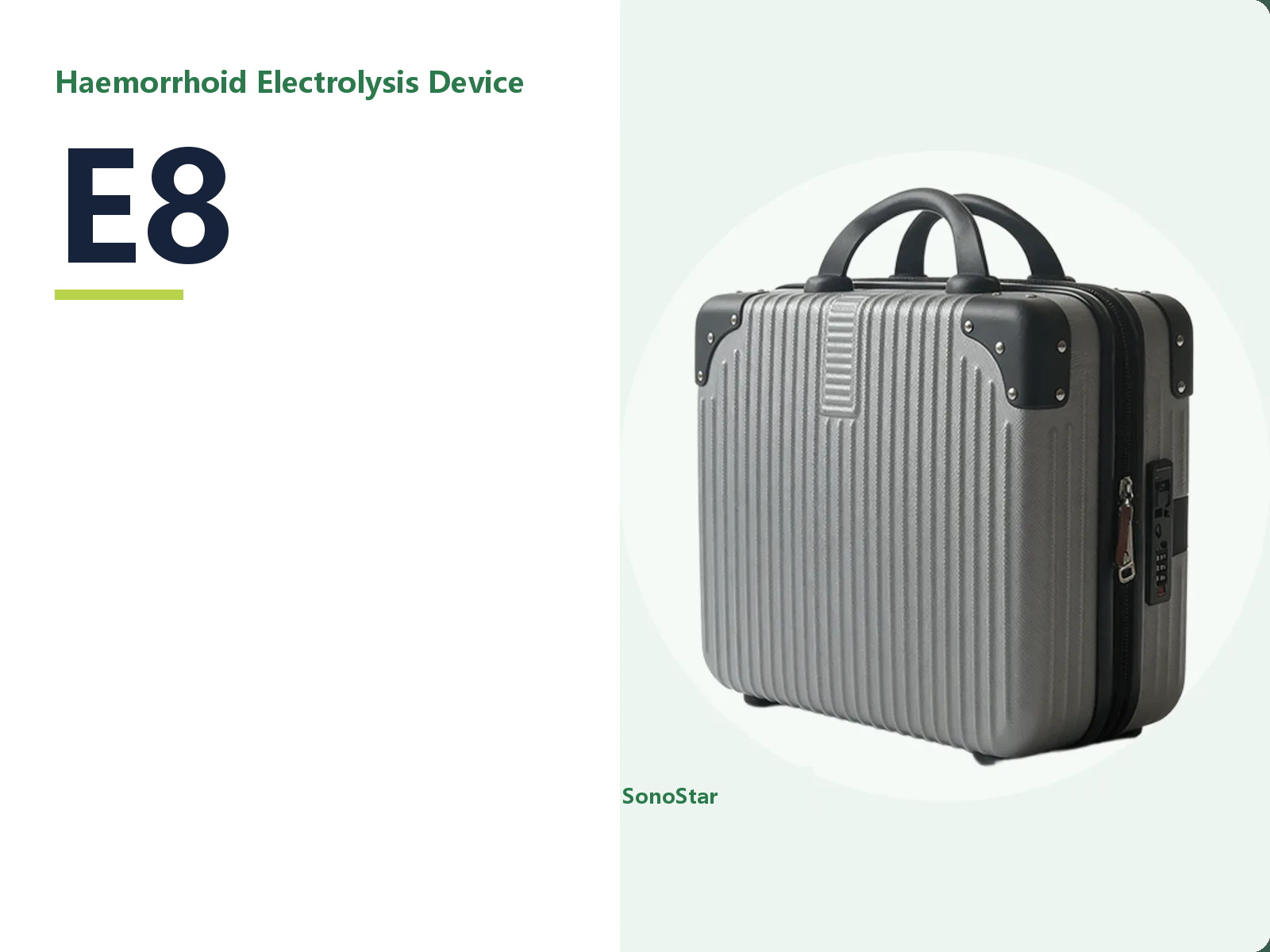
E8 Haemorrhoid Electrolysis Device
Micro-current electrolysis unit with a dedicated haemorrhoid probe
View details →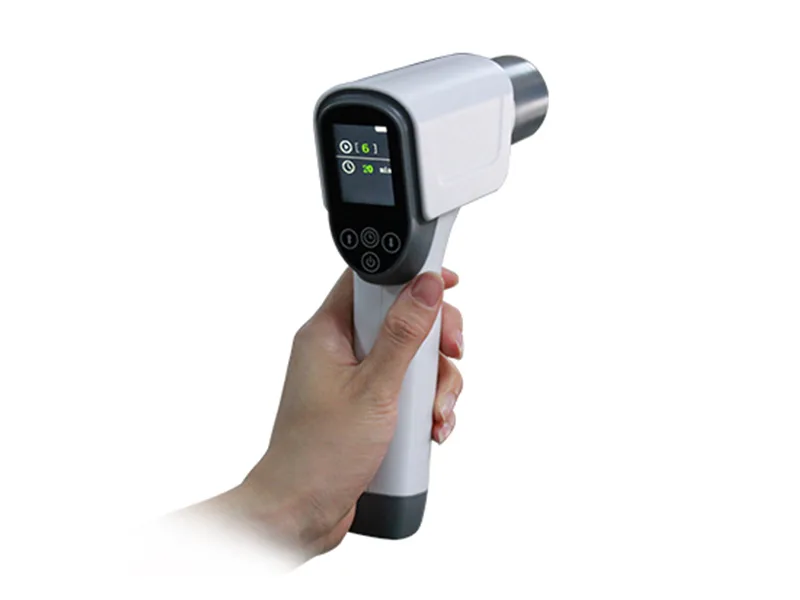
U1 Handheld Ultrasound Therapy Device
Handheld therapeutic ultrasound at 1 MHz with ten adjustable power steps
View details →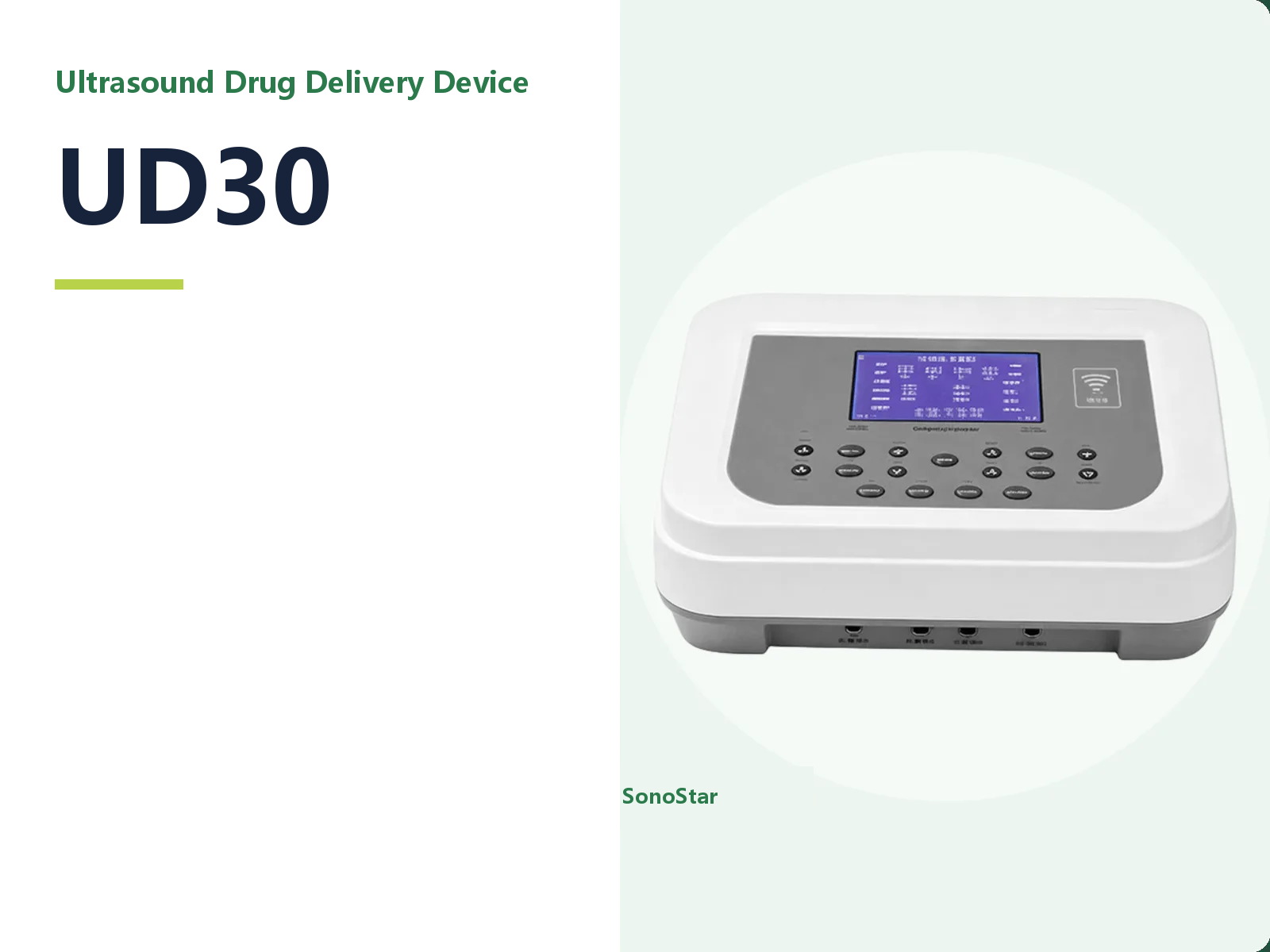
UD30 Ultrasound Drug Delivery Therapy Device
Ultrasound delivery unit with sine, triangle, flat, square and pulsed output modes
View details →Frequently asked questions
Common questions about products and selection
What does an ultrasound therapy device do?
It applies mechanical, thermal and cavitation effects to soft tissue. It is a type of physical therapy equipment used in rehabilitation, physiotherapy, pain management and primary care settings.
Which models are available?
The range includes the U1 hand-held ultrasound therapy device, with a hand-held design, built-in rechargeable battery and therapy head; an ultrasound drug-delivery therapy device; and electrolysis treatment equipment.
Which departments use it?
Rehabilitation, physiotherapy, pain management, orthopaedics, traditional Chinese medicine, acupuncture, neurosurgery, obstetrics, respiratory, gastroenterology, geriatrics, internal medicine, paediatrics, urology, critical care, general surgery, endocrinology and ENT, among others.
Are there requirements for use?
It is a physical therapy medical device. The applicable indications and operating requirements are governed by the product instructions and local regulations; contact us for the detailed documentation.
Didn't find what you need?
Tell us how you will use the system, and we will propose an ultrasound configuration to match.
Contact us