
Products
Products brings together SonoStar's ultrasound diagnostic systems, vital signs monitors and physiotherapy devices for hospital departments, primary care and livestock applications, together with the probes and accessories that go with them.
Selection guide · how to choose by setting (click to expand)
1. What this section contains
Products is divided into nine sub-sections by form factor and specialty, covering three groups of need: ultrasound diagnosis (handheld, wearable, portable and trolley systems, plus ophthalmic, bladder and veterinary units), ECG and vital signs monitoring, and physiotherapy with accessories (ultrasound therapy devices, probes and parts). Each sub-section lists the types, configurations and specifications available.
2. Choosing by setting
| Where it will be used | Sub-section | What it suits |
|---|---|---|
| Bedside, emergency, primary screening | Handheld | Scanner, battery and wireless module built into the probe handle; images appear on a phone or tablet, so you can scan the moment you pick it up |
| Exams that need an on-board screen and can be carried | Portable | Colour LCD built into the body, with several probe ports and fully digital imaging |
| Fixed room, continuous scanning | Trolley | Larger screen and multiple probe ports; probes swap without interrupting the session |
| Continuous urine output observation | Wearable | Worn on the lower abdomen for continuous scanning, with automatic volume calculation |
| Post-void residual, measured per visit | Bladder | Wireless probe paired with a phone or tablet for a spot measurement |
| Ophthalmic, veterinary and other specialty exams | Ophthalmic / Veterinary | Dedicated probes and measurement software |
| ECG, vital signs and fetal monitoring | ECG Monitor | ECG machines, multi-parameter monitors and fetal monitors |
| Physiotherapy and rehabilitation | Therapy Device | Physiotherapy equipment |
3. Device types and key specifications
Ultrasound systems here follow two threads — wireless, and portable. At one end sit handheld units with everything built into the probe handle and images shown on a phone or tablet; at the other, wearable, portable and trolley systems. Handheld units stream images over the probe's own WiFi to a phone, tablet or computer, with no cable; portable and trolley systems carry their own colour LCD and multiple probe ports, with fully digital imaging. Probes are chosen to match examination depth: ultrasound coverage runs from 10 mm at the surface to 305 mm at depth, with convex probes for abdominal and OB/GYN work and phased array probes for cardiac and transcranial use.
4. Who uses it
- Hospital departments: anaesthesia, pain management, emergency, critical care, OB/GYN, urology, cardiology and rehabilitation, at the bedside and in the consulting room.
- Primary care and community clinics: routine screening, chronic disease follow-up and general examinations.
- Private clinics and health check centres: outpatient and screening examinations.
- Specialist practices: ophthalmic and veterinary settings choose from their own sub-sections.
5. How the sub-sections differ
The sub-sections divide by form factor and by specialty, and they are not interchangeable. Handheld, portable and trolley are three body styles, distinguished by whether the unit has its own screen, whether it can be carried, and whether it takes several probes. Wearable and Bladder both measure urine volume; the difference is continuous attached observation versus a handheld spot measurement. Ophthalmic and Veterinary are specialty lines. ECG Monitor and Therapy Device are two different categories of equipment altogether. Start by deciding where the system will mainly be used, and whether you need to move it immediately or monitor continuously — then go into the matching sub-section.
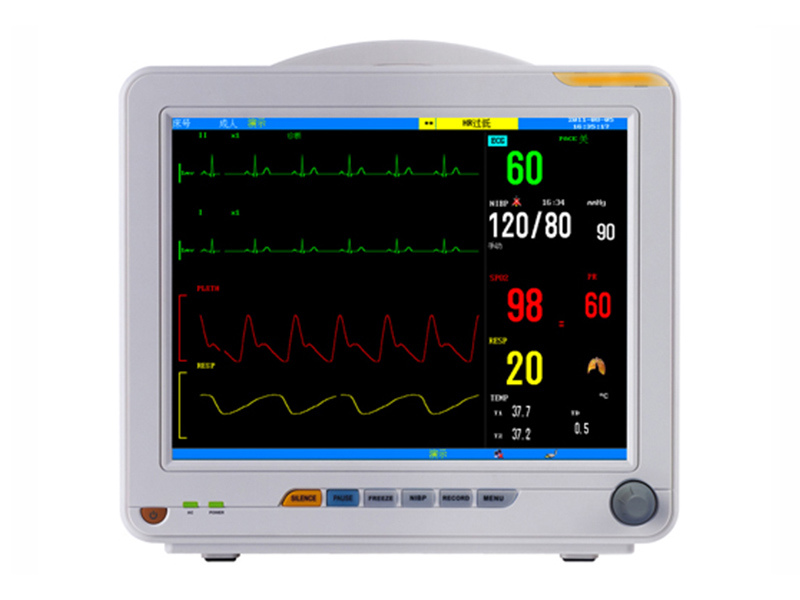
SM-500S Portable Multi-Parameter Monitor
Portable twelve-inch six-parameter monitor for ward, ICU and theatre
View details →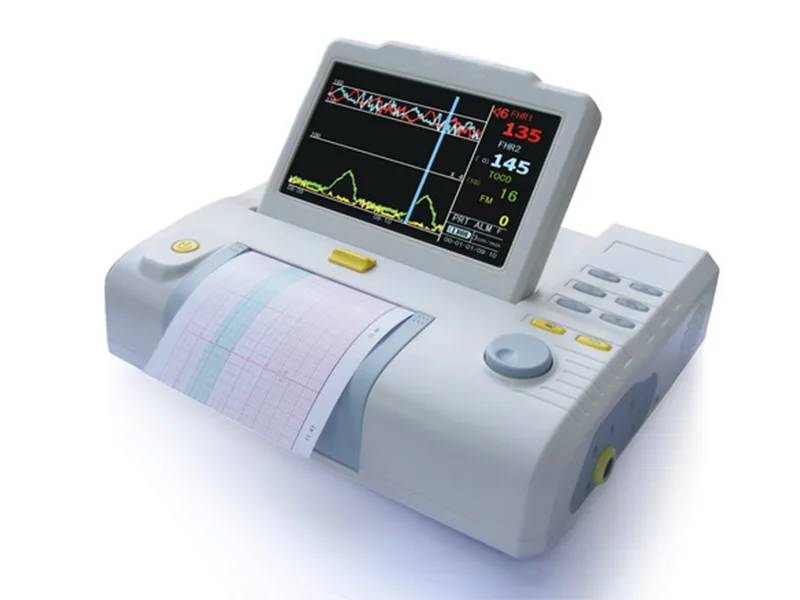
SM-90 Fetal Monitor
Fetal monitor with a folding 7-inch touch screen and a built-in 152 mm thermal printer
View details →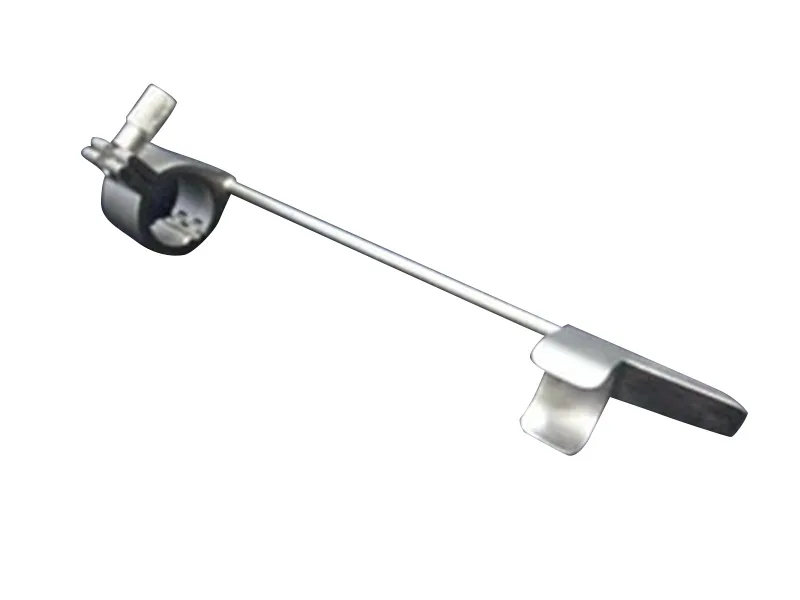
Ultrasound Probe Needle Guide (for Biopsy)
Needle guide bracket for ultrasound-guided biopsy - ultrasound accessory
View details →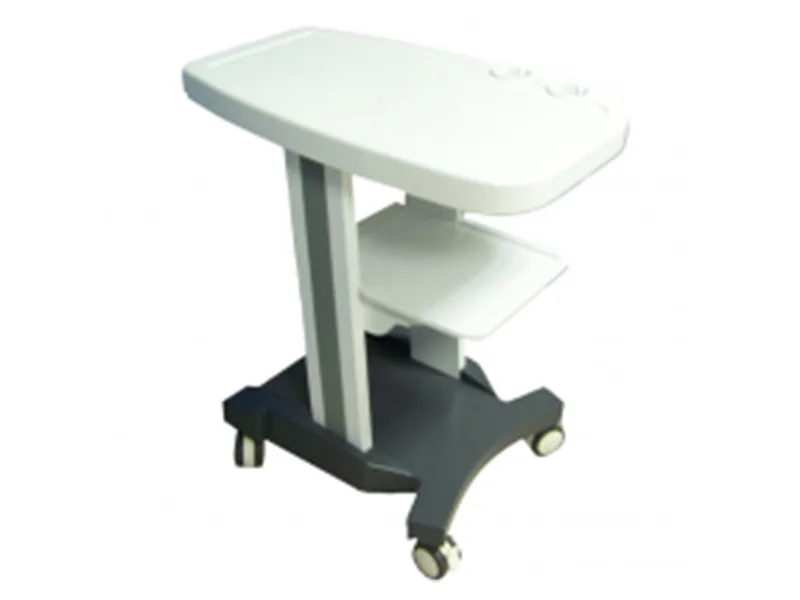
Ultrasound Cart (Type A)
White top with a two-tier shelf and a castor base for portable ultrasound systems
View details →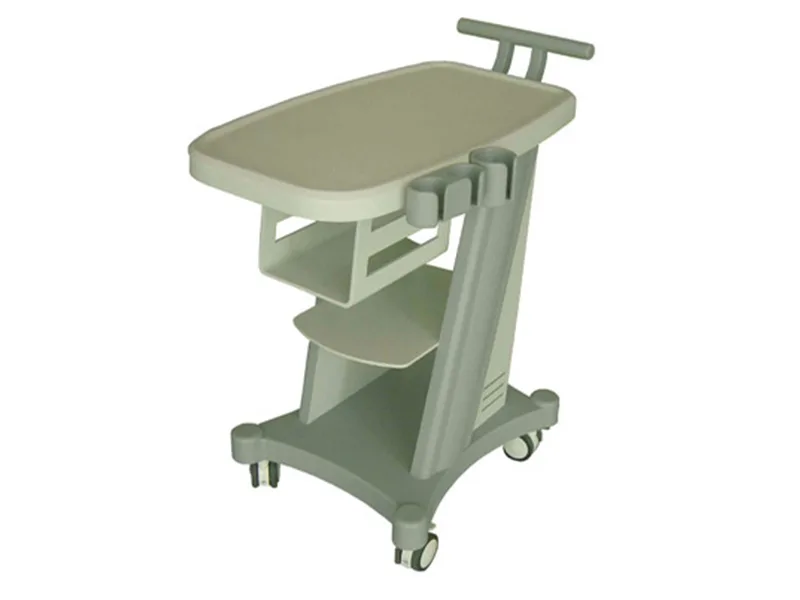
Ultrasound Cart (Type B)
Beige top with a push handle, two-tier shelf and castor base
View details →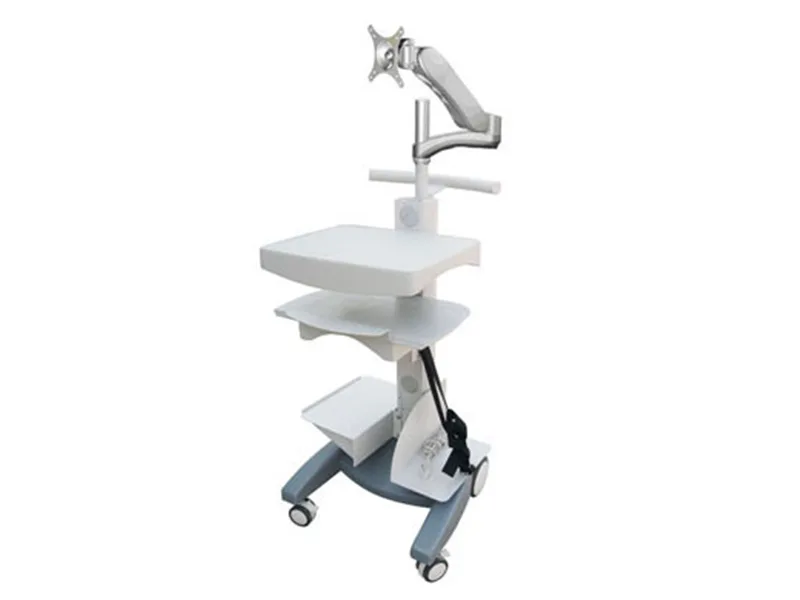
Ultrasound Cart (Type C)
Cart with a monitor mounting bracket so host and display travel together
View details →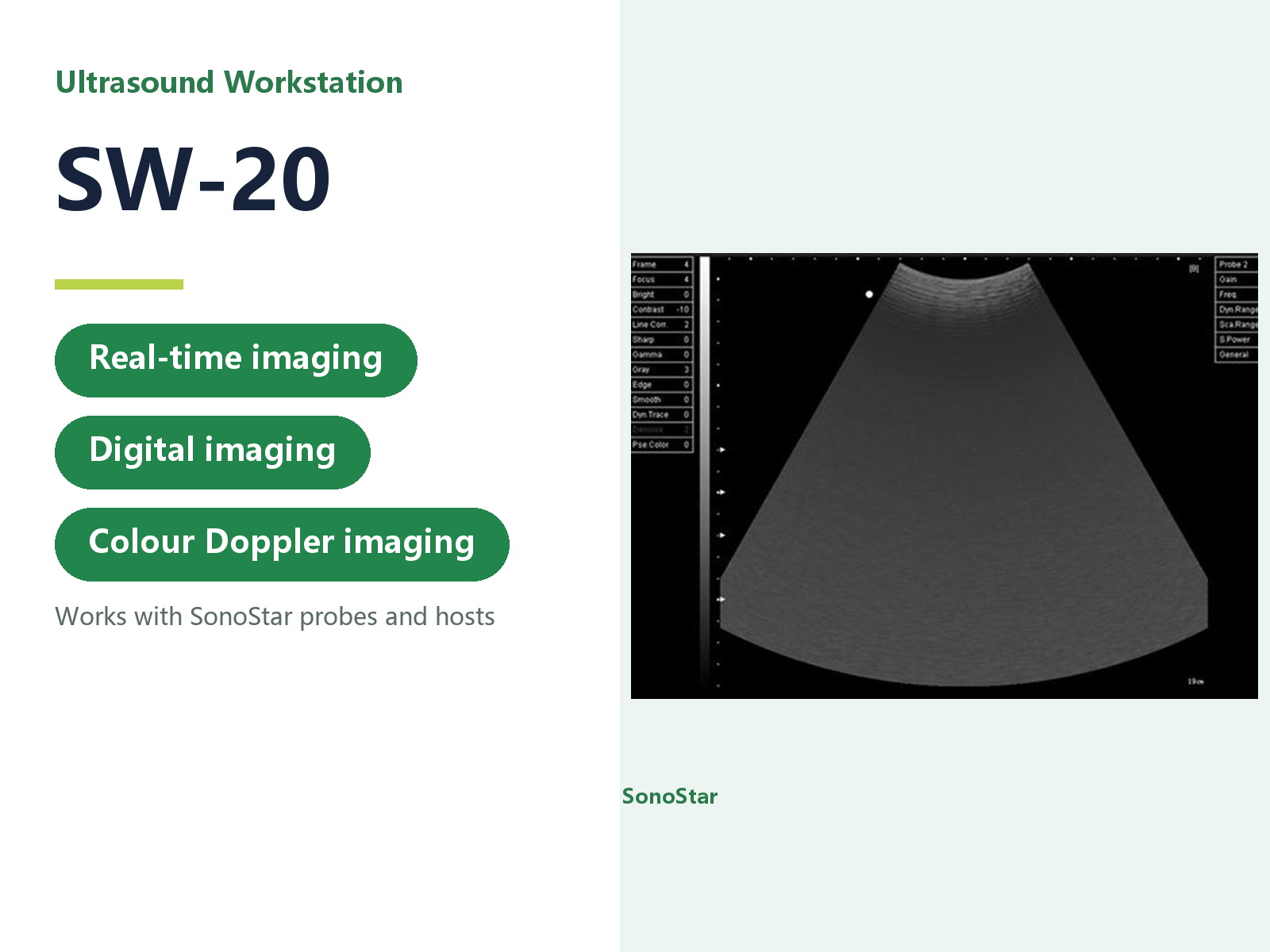
SW-20 Ultrasound Workstation
Software workstation for archiving, reviewing and reporting ultrasound images
View details →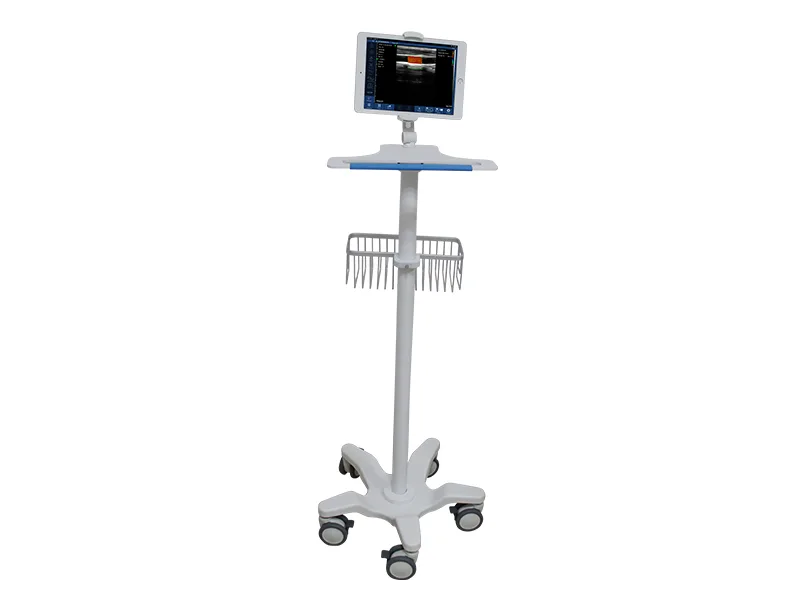
T-Shape Ultrasound Trolley
Turns a handheld or portable system into a mobile examination station
View details →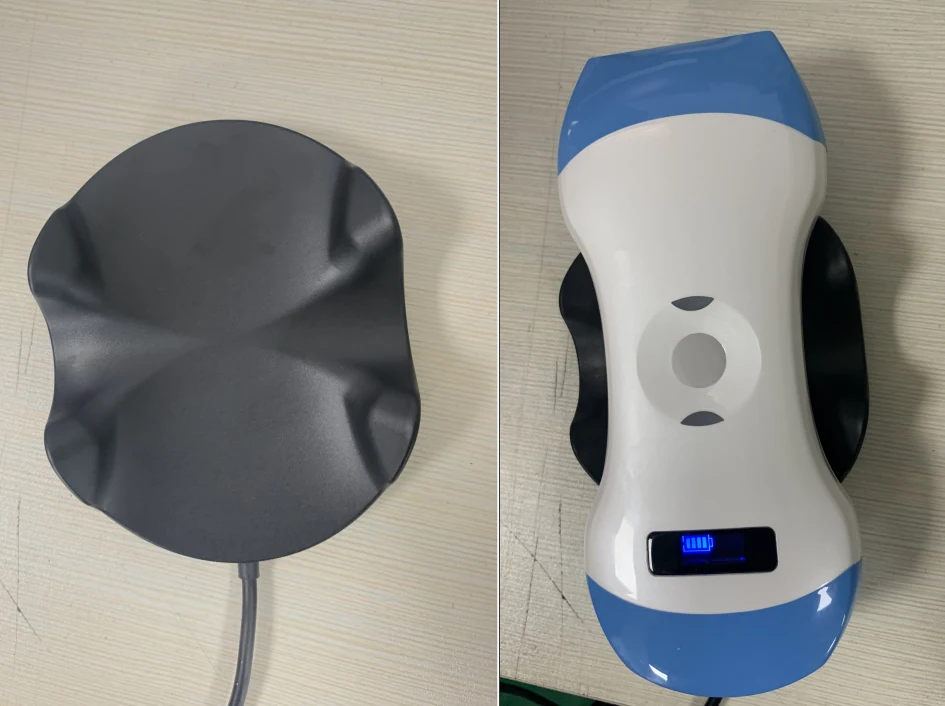
Wireless Probe Charging Pad
Holds and charges two probes at once - put them down and they charge
View details →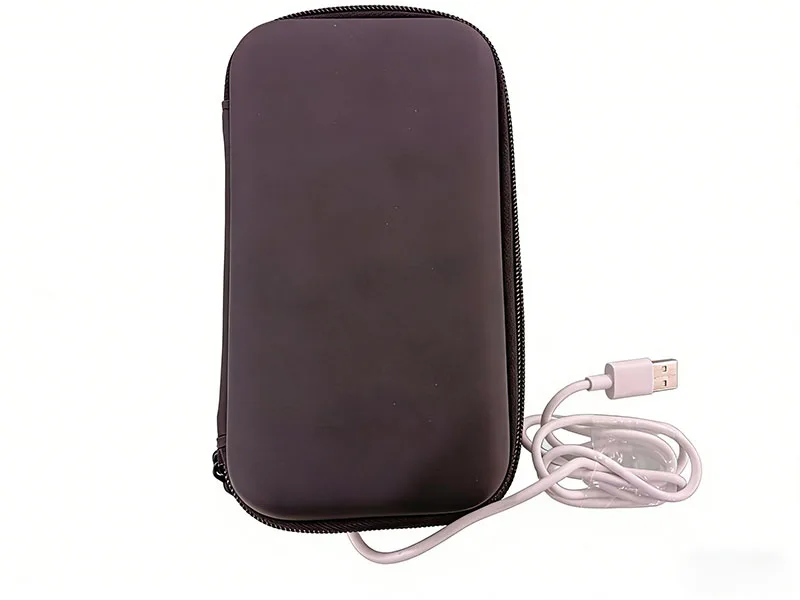
Handheld Ultrasound Carry Bag
Layered mesh compartments for the host, probes and cables
View details →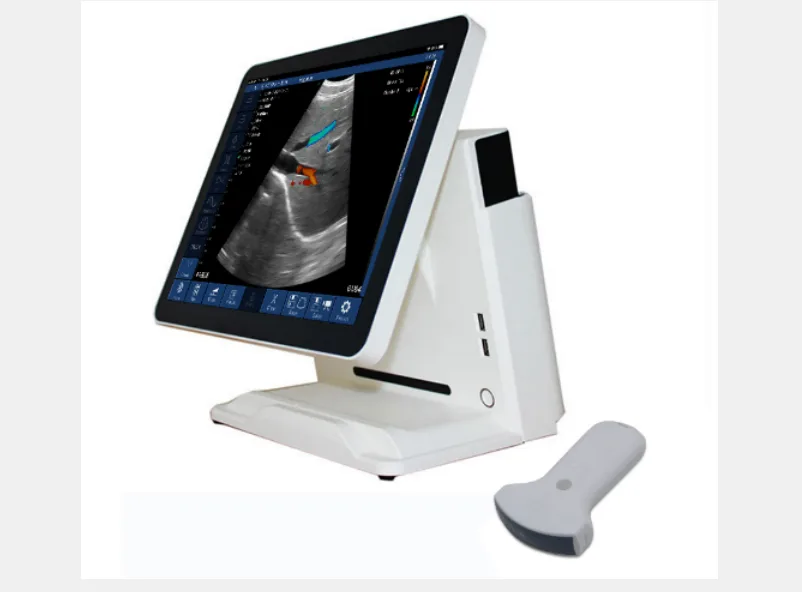
Windows Touch-Screen Host for Handheld Ultrasound
All-in-one touch screen so the image no longer depends on a phone or tablet
View details →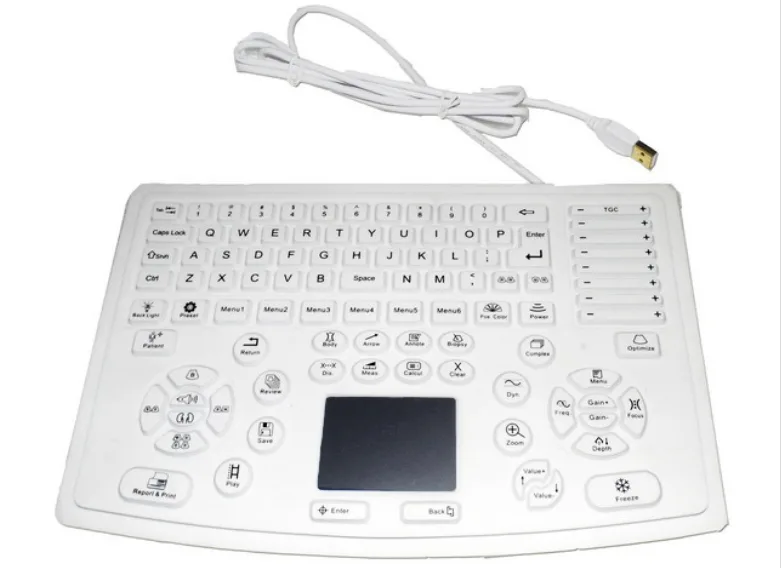
Ultrasound Keyboard for Windows Hosts
Dedicated keyboard with a central trackball and ultrasound function keys
View details →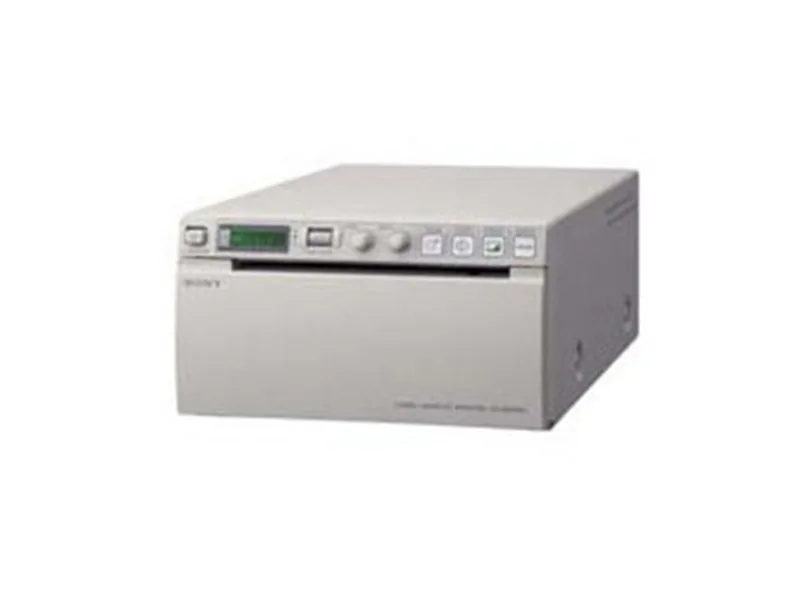
Black-and-White Video Printer
Prints the ultrasound image straight from the video signal
View details →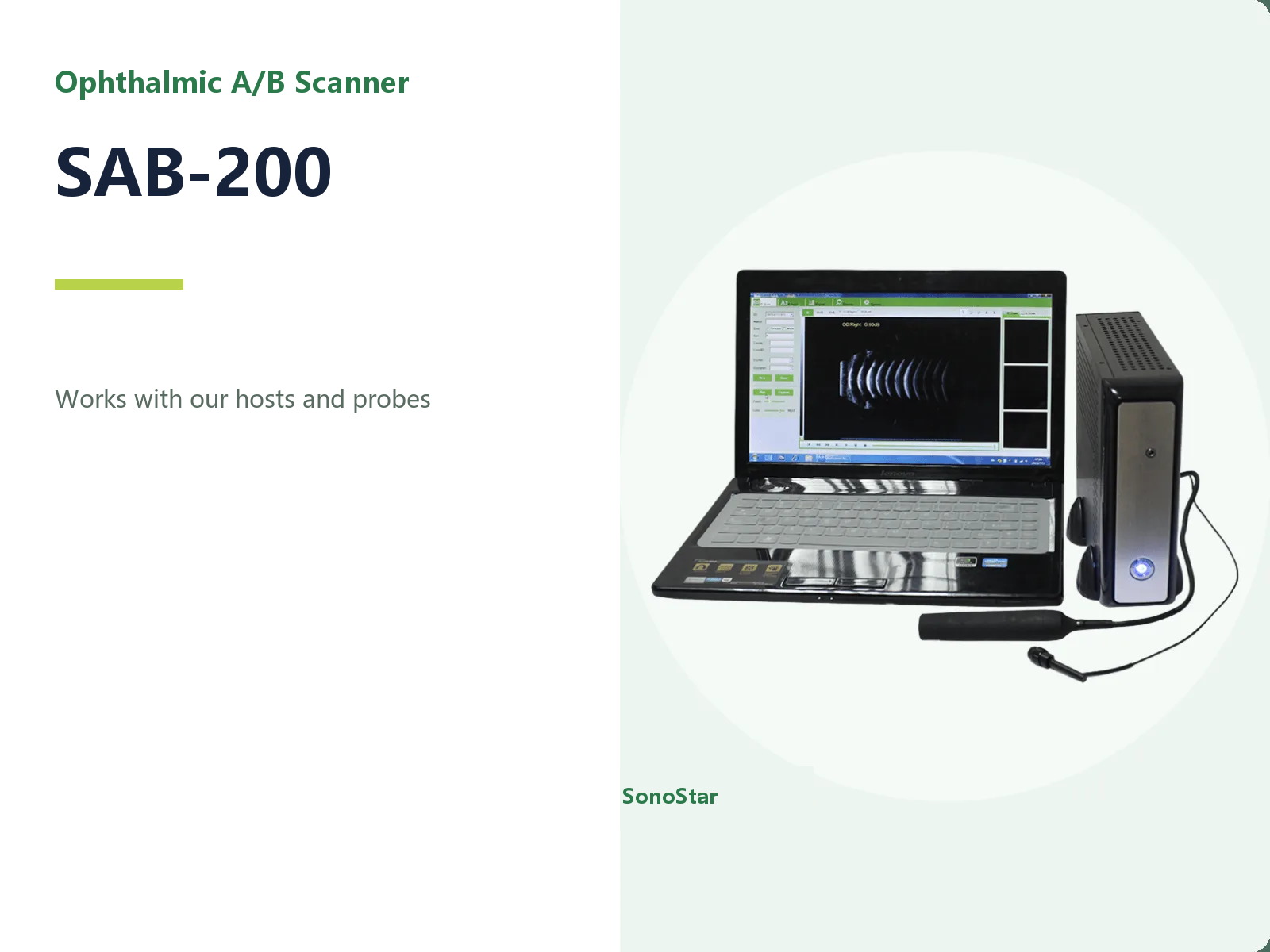
SAB-200 Ophthalmic A/B Scanner
PC-based ophthalmic ultrasound for B-scan imaging and A-scan biometry
View details →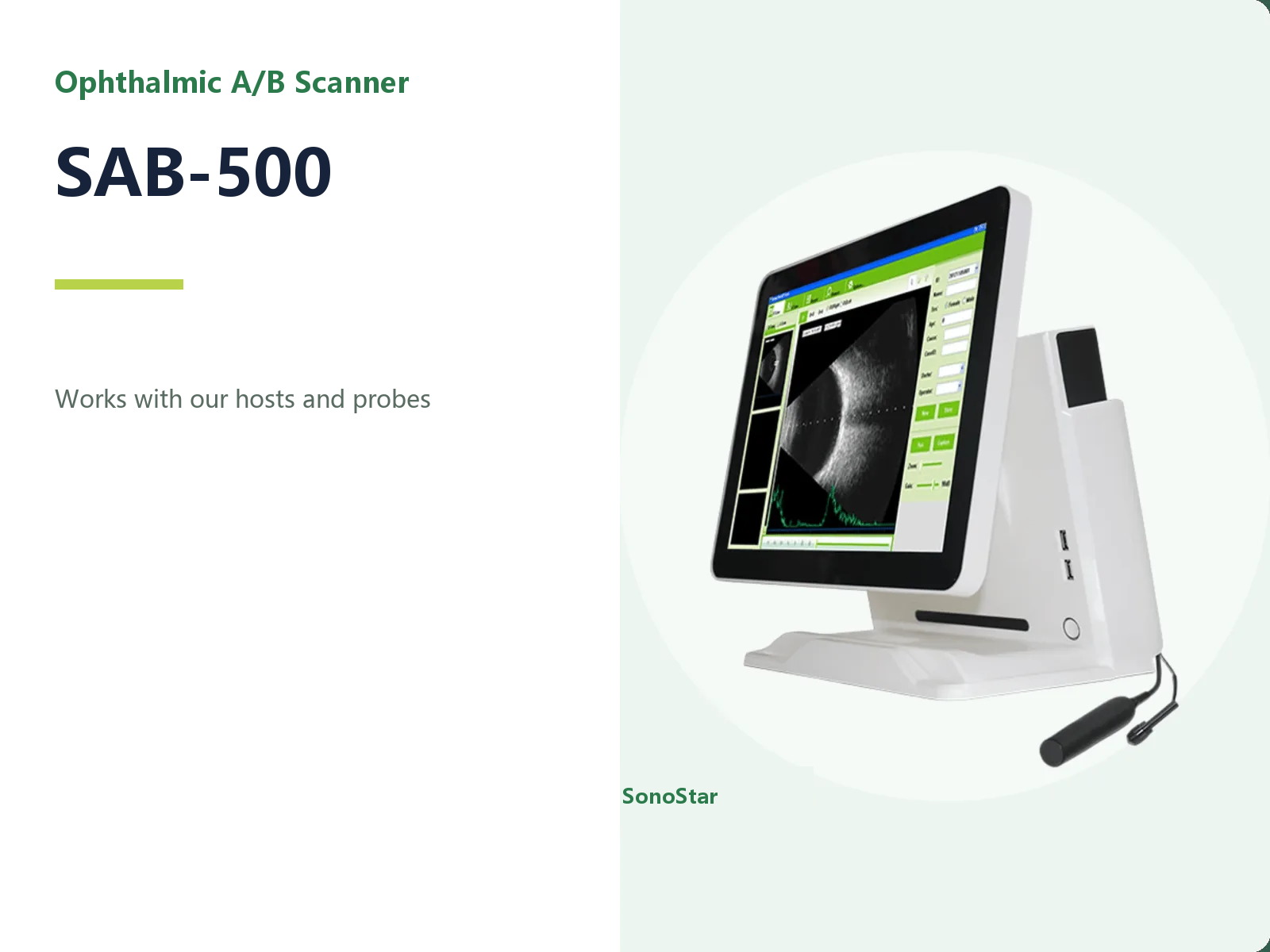
SAB-500 Ophthalmic A/B Scanner
Standalone ophthalmic A/B scanner with a 15-inch screen and built-in battery
View details →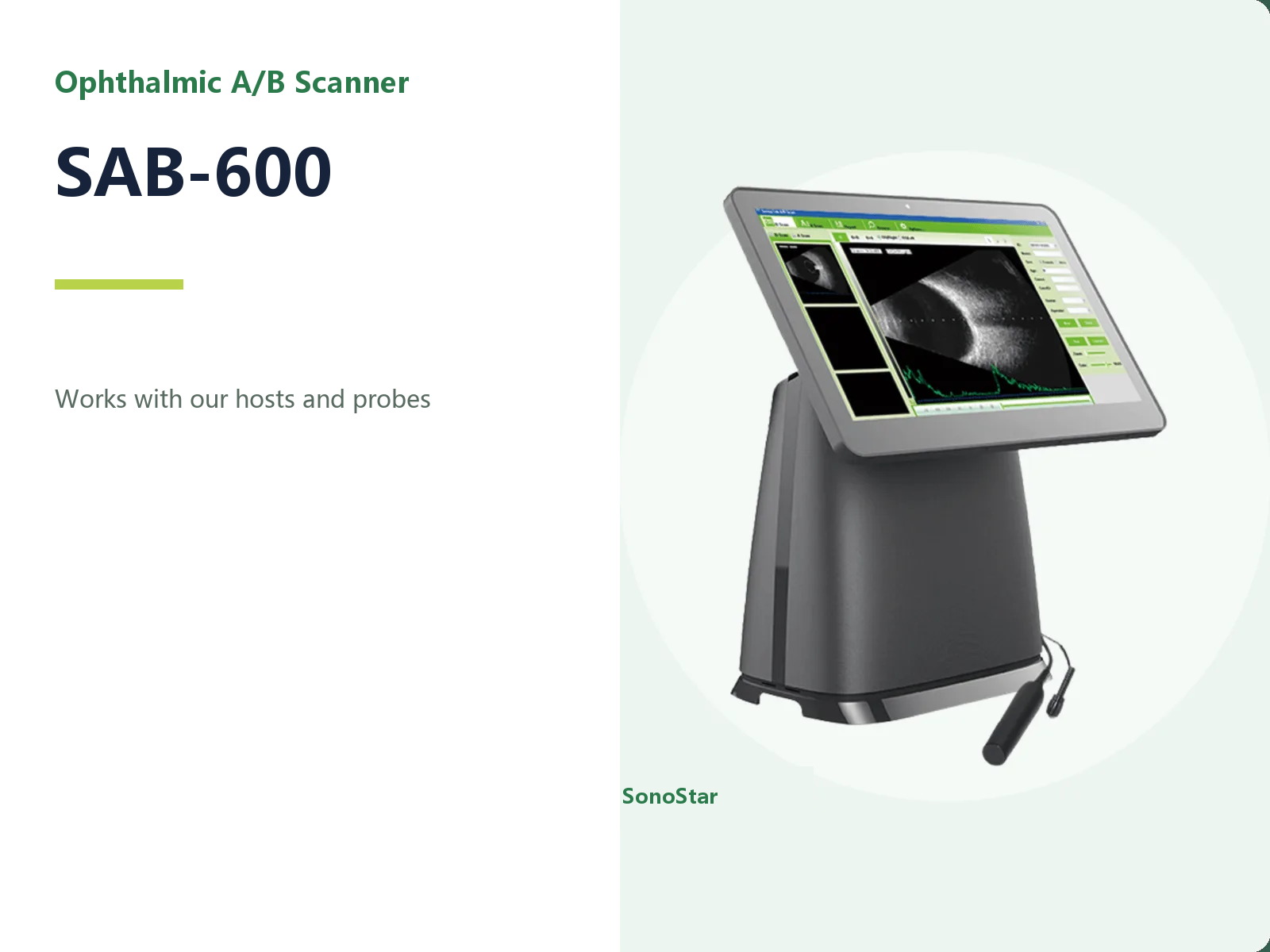
SAB-600 Ophthalmic A/B Scanner
Standalone ophthalmic A/B scanner with a 15-inch screen and custom report templates
View details →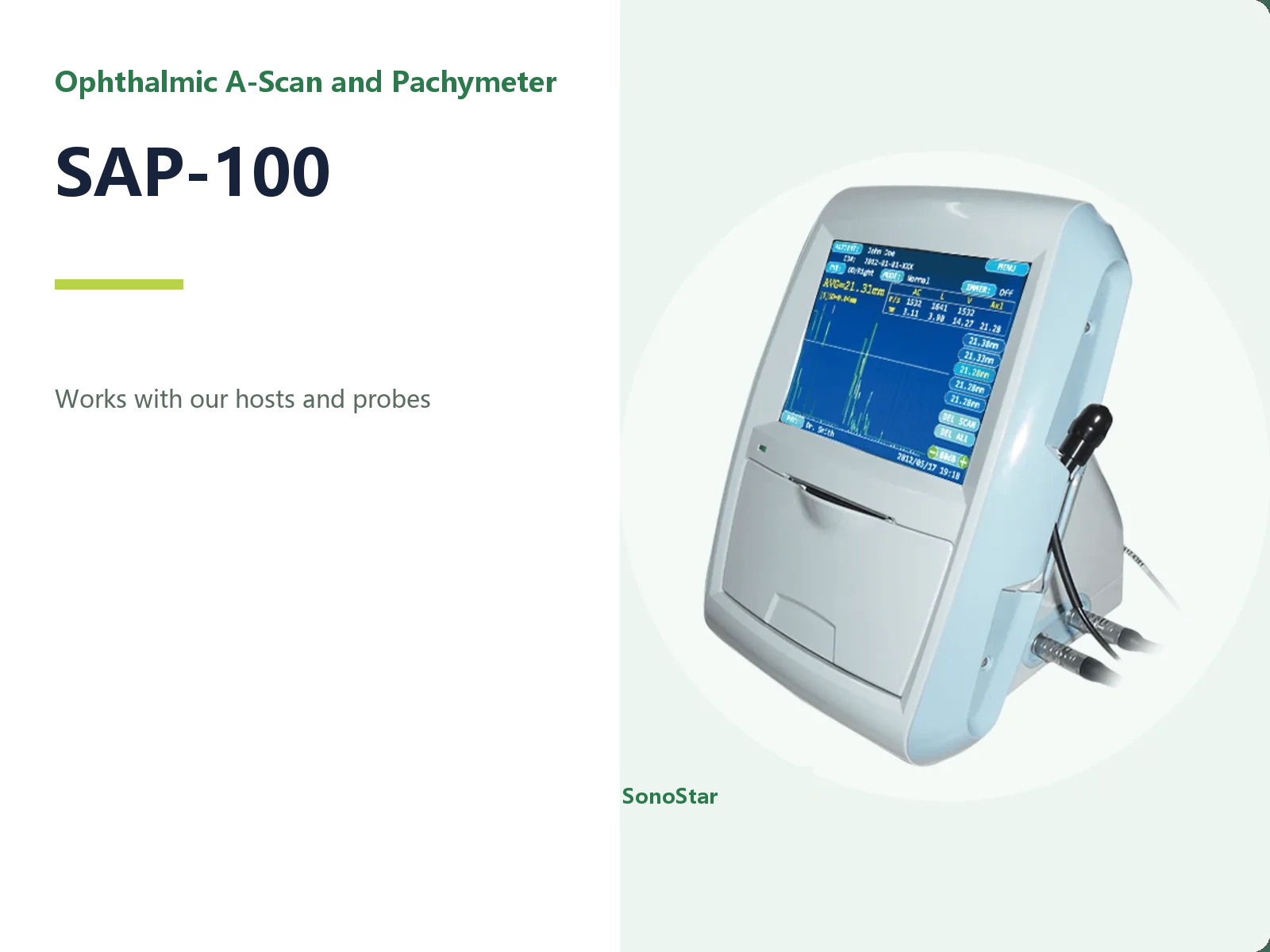
SAP-100 Ophthalmic A-Scan and Pachymeter
A-scan biometry plus corneal pachymetry in one unit
View details →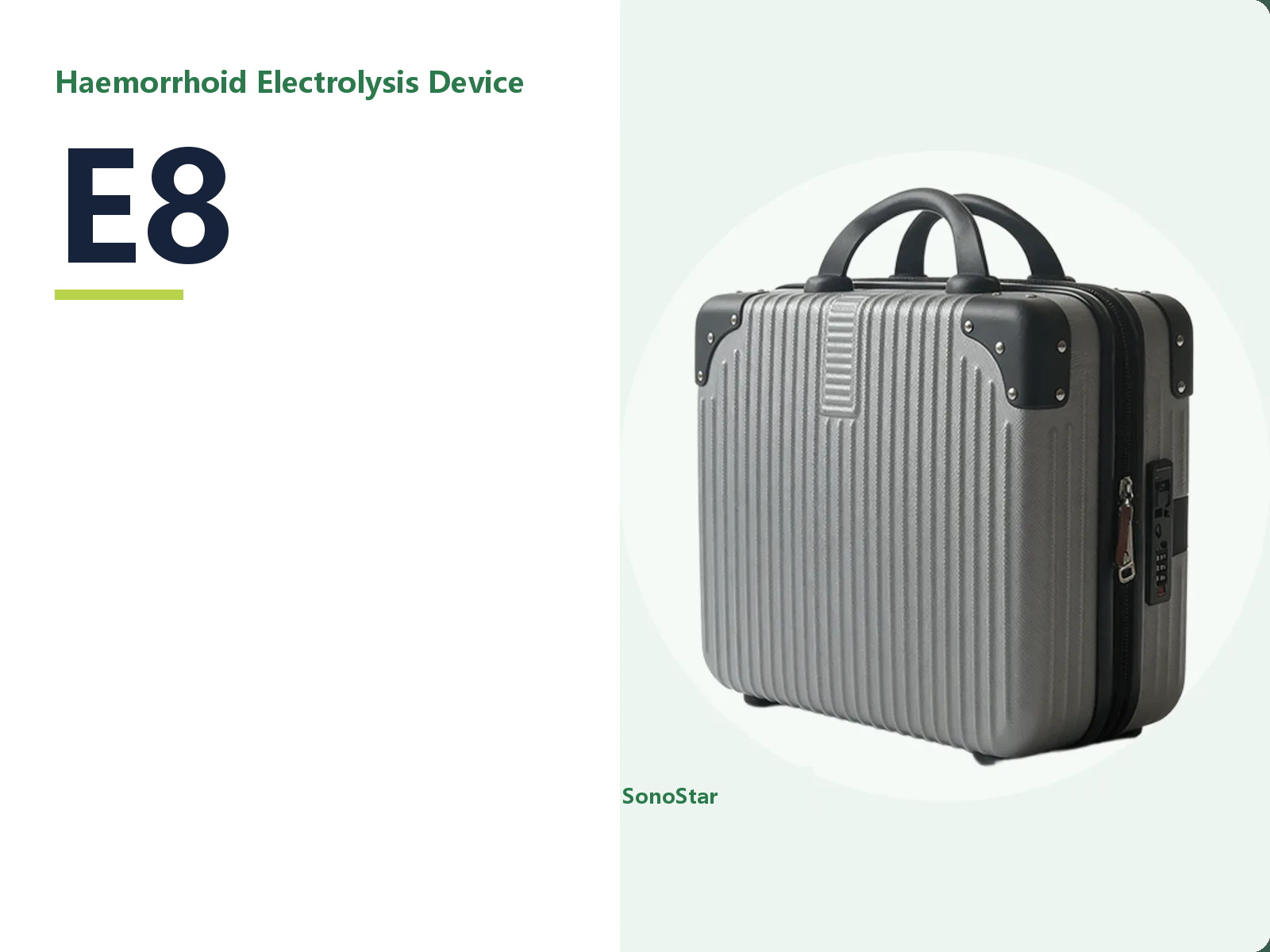
E8 Haemorrhoid Electrolysis Device
Micro-current electrolysis unit with a dedicated haemorrhoid probe
View details →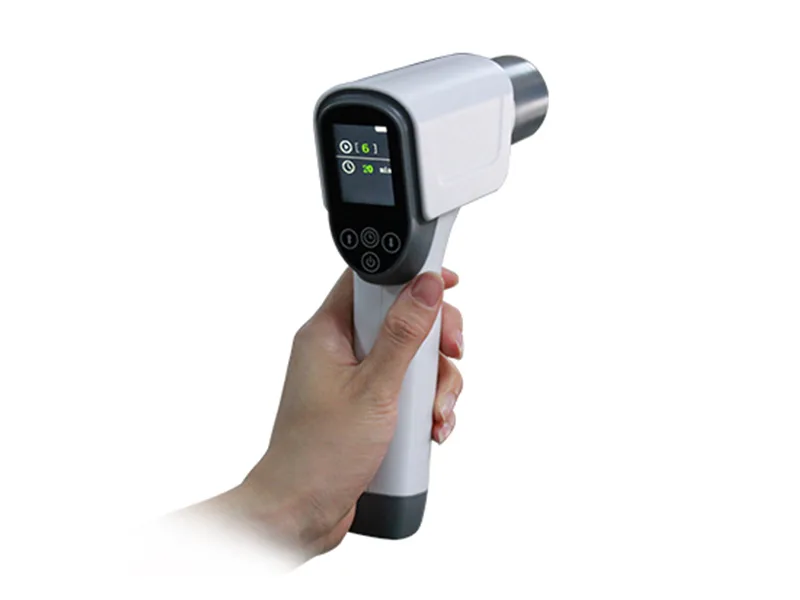
U1 Handheld Ultrasound Therapy Device
Handheld therapeutic ultrasound at 1 MHz with ten adjustable power steps
View details →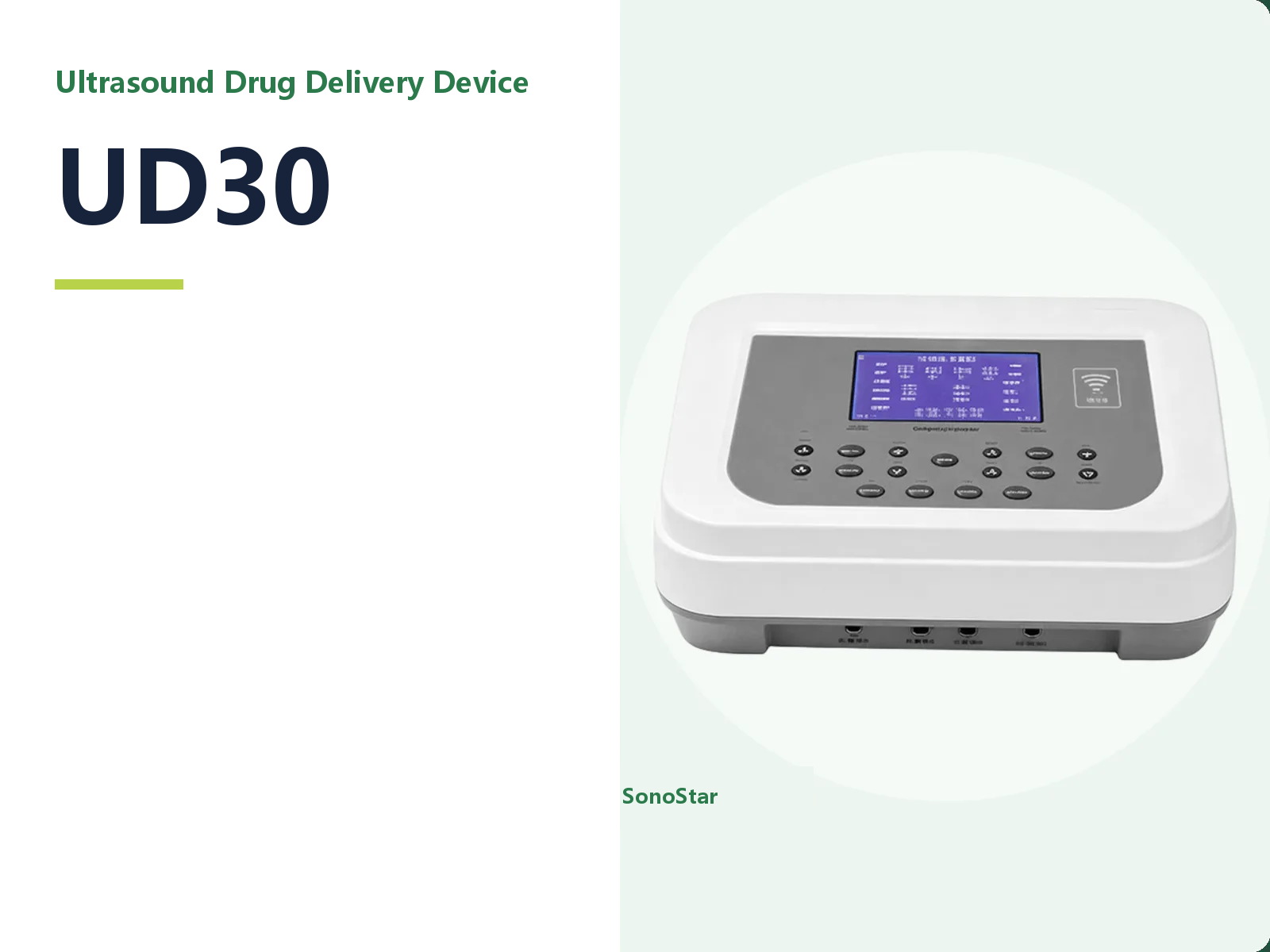
UD30 Ultrasound Drug Delivery Therapy Device
Ultrasound delivery unit with sine, triangle, flat, square and pulsed output modes
View details →Frequently asked questions
Common questions about products and selection
What ultrasound systems does SonoStar manufacture?
Four form factors: handheld, wearable, portable and trolley. On the handheld model the engine, battery and wireless module are built into the probe handle; the wearable model is for continuous monitoring; the portable colour Doppler unit has its own screen and can be carried; the trolley model pairs a large display with multiple probe ports.
How do I choose a model for my clinical setting?
Bedside and emergency work usually calls for handheld or portable units; outpatient rooms and wards most often use portable or trolley systems; a fixed consulting room with a steady flow of examinations suits a trolley unit. Main unit, probes and accessories can be supplied together.
How deep can the system scan?
SonoStar diagnostic ultrasound systems cover detection depths from 10 mm at the surface to 305 mm deep, depending on the probe model and the examination site.
Is there equipment for ophthalmology, bladder or veterinary work?
Yes. Dedicated probes and measurement software are available for veterinary, ophthalmic and bladder applications. The range also includes ECG and vital-signs monitoring and ultrasound therapy devices.
Can the system and its accessories be ordered together?
Yes. Besides main units and probes we supply trolleys and carts, wireless charging pads, carry bags, needle guides and ultrasound workstations, matched to the model.
Didn't find what you need?
Tell us how you will use the system, and we will propose an ultrasound configuration to match.
Contact us